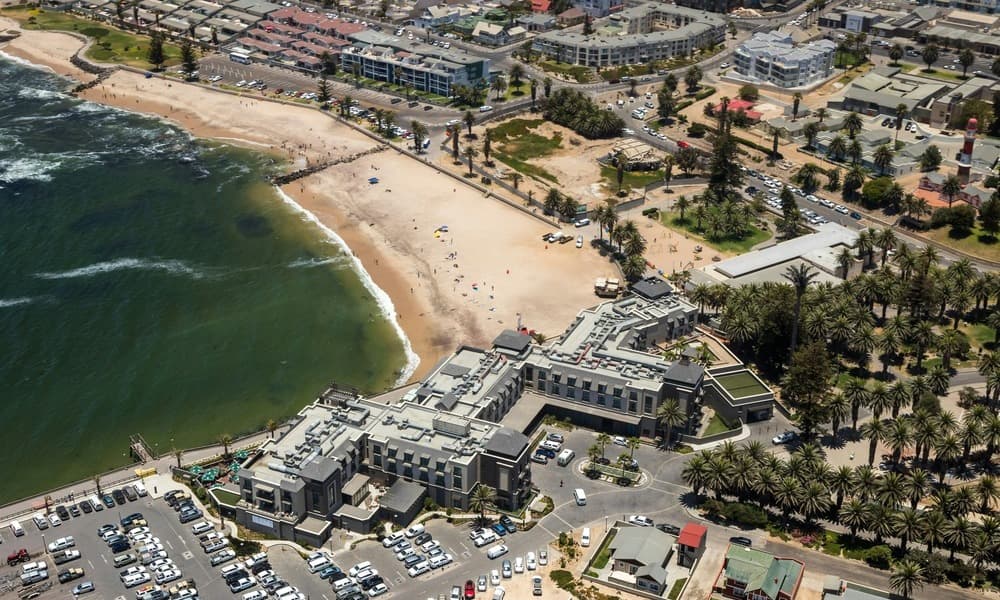

Africa’s film industry is expanding rapidly. Digital platforms, foreign investment and a rising demand for African narratives are reshaping the continent’s cinematic output. While local productions remain dominant, foreign films, whether produced by international studios in Africa or by African filmmakers gaining global traction, are increasingly influential. Nigeria’s Nollywood produces approximately 2,599 films annually, ranking second globally after Bollywood. Its international visibility has grown through platforms like Netflix, which acquired titles such as Lionheart and The Wedding Party. EbonyLife Media, led by Mo Abudu, has secured partnerships with Sony, Netflix and Starz, positioning Nigerian content for global distribution.
South Africa offers robust production infrastructure, including Cape Town Film Studios and Johannesburg-based hubs. Having recently launched the STAGES VISA, South Africa has hosted major international productions such as Mad Max: Fury Road, District 9, Queen Sono and Netflix’s One Piece. Between 2023 and 2025, foreign investment in South African film exceeded €250 million, reflecting confidence in its production capabilities.
Morocco remains a preferred destination for desert and historical settings. Aït-Ben-Haddou has featured in Gladiator, Game of Thrones, and The Mummy. Ouarzazate, often referred to as the “Hollywood of Africa,” continues to attract large-scale international productions due to its unique landscapes and established studios.
Egypt holds the distinction of having Africa’s oldest film industry, dating back to the 1920s. It maintains a strong presence in Arab cinema and frequently co-produces with Algeria and France. Its historical depth and regional influence make it a strategic player in cross-border cinematic collaborations.
Kenya’s Riverwood industry focuses on socially conscious storytelling. Films like Rafiki and Supa Modo have gained international recognition, with Rafiki screened at Cannes. Nairobi is emerging as a hub for films that address social issues, blending local narratives with global relevance.
Burnt Onion Productions in South Africa produced How to Ruin Christmas, a Netflix Original known for its high production value and global reach. Film Afrika has supported international projects such as Wheel of Time, Churchill at War and One Piece, offering full-service production to foreign clients. Stage Five Films co-produced Liberty and The Dreamer with European partners, focusing on strategic international partnerships. EbonyLife Media continues to lead pan-African content creation with global appeal. Mo Abudu has executive-produced The Wedding Party, Fifty, and Desperate Housewives Africa, driving Nigeria’s global film presence. Wanuri Kahiu directed Rafiki and signed with Disney+ to adapt Once on This Island. Gavin Hood, known for Tsotsi and X-Men Origins: Wolverine, bridges South African and Hollywood cinema. Philippe Lacôte from the Ivory Coast directed Night of the Kings, which was screened at Cannes.
Major funding initiatives are reshaping the industry. The International Finance Corporation (IFC), African Development Bank (AfDB) and EbonyLife are exploring a pan-African investment fund. Afreximbank launched a $1 billion Africa Film Fund to support production and global distribution. Its subsidiary FEDA focuses on infrastructure, post-production and market access.
Streaming platforms are central to this transformation. Netflix has invested over $175 million in South Africa, Nigeria and Kenya, commissioning original content. Showmax dominates regional streaming and holds licensing agreements with HBO Max, expanding African content visibility.
Cape Town and the Western Cape are South Africa’s primary international filming hubs. Morocco’s Ouarzazate and Aït-Ben-Haddou attract desert-themed productions. Lagos remains Nollywood’s epicentre, increasingly globalised through partnerships and streaming. Nairobi is gaining traction as a centre for socially driven cinema.
Piracy remains a significant issue, causing up to 50 percent revenue loss. Post-production infrastructure is limited, and regulatory frameworks are fragmented across countries. However, the continent offers a large pool of youth talent, diverse filming locations, and government incentives. The global appetite for African stories continues to grow.
Africa’s film industry is no longer peripheral. It is central to global storytelling, investment, and cultural exchange. Foreign productions are not merely visitors they are collaborators, investors and amplifiers of African narratives. For CEOs, producers and policymakers, the challenge is not whether to engage, but how to do so strategically. Africa offers scale, talent and authenticity. Those who understand its cinematic terrain will shape the future of global film.
Foreign film production in Africa requires more than creative ambition. Legal compliance is essential, particularly in the areas of film visas and licensing.
In South Africa, foreign film crews must apply for a Visitor Visa under section 11(2) of the Immigration Act. This visa allows short-term work and is valid for up to 90 days, with one extension. For longer productions, a long-term Visitor Visa may be issued under section 11(1)(b)(iv). Applications must include proof of registration with a professional body accredited by SAQA and a waiver letter from recognised industry organisations such as FIVA or CPASA.
In Ghana, foreign nationals working on film productions must obtain a Film Work Permit before filming begins. The fee is $100 per foreign cast or crew member per production. This applies to feature films, documentaries, music videos, and commercials.
Film permits are mandatory across most African countries. In Zanzibar, for example, foreign productions must secure a permit from the Zanzibar Film Board and Baraza La Sanaa. Required documents include a synopsis, equipment list, filming schedule, and crew passport copies. The permit costs approximately $1,000 and is processed within two business days.
In South Africa, licensing falls under the Films and Publications Act, which governs the registration, renewal, and amendment of licences for film distribution and exhibition. The process involves classification guidelines, age restrictions, and definitions of commercial use, with oversight from the Department of Communications and Digital Technologies.
These frameworks are not harmonised across the continent. Each country maintains its own regulatory environment, requiring producers to engage local fixers or legal experts to navigate compliance efficiently. Failure to secure proper visas or permits can result in production delays, fines, or shutdowns.
Film production in Africa is legally intensive. Visa categories, permit requirements and licensing regulations vary by country and must be addressed early in pre-production. Strategic planning and local partnerships are essential to avoid regulatory pitfalls and ensure uninterrupted filming.
Written by Ian Coffee, Branch and Immigration Manager