As of October 2024, South Africa formally entered the global remote work landscape with the implementation of its Remote Work Visitor Visa. Codified under Section 11(1)(b)(iv) of the Immigration Act, this permit offers a regulated pathway for foreign professionals to reside in the Republic while maintaining employment with overseas entities.
The visa serves a dual purpose: it invites high-earning international talent to contribute to the local economy through consumer spending while strictly ensuring that these professionals do not compete for local jobs. South Africa offers an enviable lifestyle, world-class infrastructure, and a time zone that aligns seamlessly with Europe, the Middle East, and parts of Asia, making it a premier destination for the modern digital nomad.
Eligibility and Technical Requirements
The Section 11(1)(b)(iv) permit is not merely an extended tourist visa; it is a specialised residency category with rigid financial and documentary thresholds. To ensure a successful application, professionals must understand the regulatory nuances that separate this permit from traditional work visas.
Core Eligibility
- Applicants must provide verifiable proof of employment with a recognised foreign company or demonstrate that they conduct business for an entity located entirely outside of South Africa.
- They must be 18 years of age or older.
- They must also demonstrate a minimum gross annual income of ZAR 650,796 as mandated by the Department of Home Affairs (DHA) effective 9 October 2024.
- Ensure that the bank statements provided leave no room for administrative doubt.
Mandatory Documentation: The Specialist Checklist
A common pitfall for applicants is submitting a “standard” visitor pack. For the Remote Work Visitor Visa, the following technical documentation is non-negotiable:
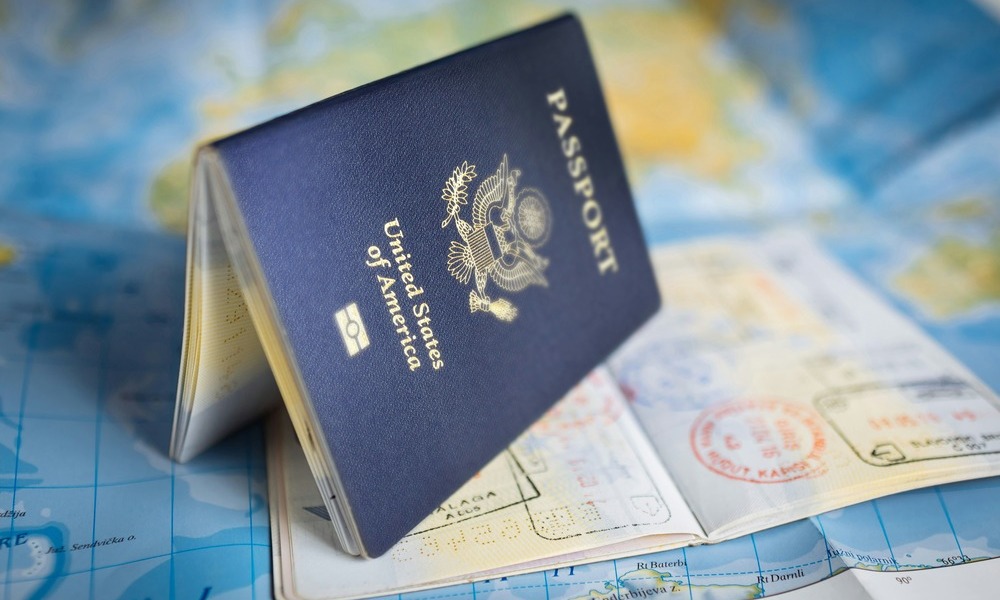
- Valid Passport: Must be valid for no less than 30 days after the intended date of departure. Crucially, the passport must contain at least two blank pages for endorsements; failure to meet this requirement is a primary cause for boarding denials or application rejections.
- Proof of Income: Three months of bank statements demonstrating the ZAR 650,796 annual equivalent. Why it matters: This satisfies the DHA requirement for sufficient financial means, ensuring the applicant remains self-sufficient and does not use the South African social safety net.
- Employment Contract: A valid contract of employment signed by both the applicant and the foreign-based employer. Why it matters: This proves the work is foreign-sourced and satisfies the Prescribed Activity requirement of the Immigration Act.
- Flight Reservation: Proof of a valid return air flight ticket or a formal reservation thereof. Why it matters: As this is technically a visitor’s visa under Section 11, the DHA requires proof of intent to depart.
- Proof of Accommodation: A lease agreement, hotel booking, or a formal invitation letter from a host. Why it matters: To establish your residential footprint for administrative and safety tracking.
- Comprehensive Health Insurance: Evidence of private medical cover valid for the entire duration of the stay. Why it matters: Standard travel insurance is frequently rejected; the DHA requires residency-grade health insurance to ensure applicants can access private medical facilities without burdening public health resources.
- Police Clearance Certificates (PCC): Required from every country where the applicant has resided for 12 months or more in the last five years. These must be issued within six months before the application. Why it matters: This is a mandatory character check to ensure compliance with the Immigration Act’s security standards.
- Medical Report: Form BI-811 (Medical). Why it matters: This verifies that the applicant meets public health standards.
- Yellow Fever Certificate: Only required if traveling from or through a yellow fever endemic area. Why it matters: This is a strict public health requirement; without it, you may be denied entry at the border.
The Application Process: Practical Depth
Applying for the South Africa Digital Nomad Visa requires physical presence at a VFS centre or South African consulate. You cannot simply click and submit from your home office.
- In-Person Submission: Applications must be submitted in person at a South African Mission (Embassy or Consulate) or a VFS Global centre in your country of origin or long-term residence.
- The Biometrics Rule: Agents or lawyers cannot submit the application on your behalf. You must be present for the mandatory collection of biometric information (fingerprints and digital photography).
- Costs: The DHA application fee is approximately ZAR 425. However, when using VFS Global, expect additional service fees ranging from USD $50 to $100, plus potential courier and translation costs.
- Realistic Timelines: While the target processing time is 4–8 weeks, applicants should plan for up to 10 weeks. It is therefore advisable to initiate the process at least three months before your intended departure.
- No Change of Status: It is imperative to note that, per the Immigration Regulations, you cannot enter South Africa on a standard 90-day tourist visa and apply to switch to a Remote Work Visitor Visa while in the country. This can only be bypassed under exceptional circumstances, which are rarely granted to nomads.
Compliance and Tax Responsibility
Navigating the South African tax landscape is the most critical aspect of long-term nomadism. Section 11(1)(b)(iv) permits carriers specific registration triggers.
The 183-Day Framework
South Africa operates a residence-based tax system, meaning tax obligations depend on the length of stay and whether a Double Taxation Agreement (DTA) exists. Digital nomads whose home countries have a DTA with South Africa, such as the UK, USA, and Germany, must register with the South African Revenue Service only if they are present in South Africa for more than 183 days in an aggregate 12-month period.
Nomads from countries with no DTA must register with SARS regardless of the duration of their stay.
Conclusion
By meticulously preparing your documentation and staying ahead of tax registration triggers, you can enjoy the Rainbow Nation while maintaining your global career. From the coastal energy of Durban to the tech hubs of Cape Town, South Africa is ready for the world’s talent.