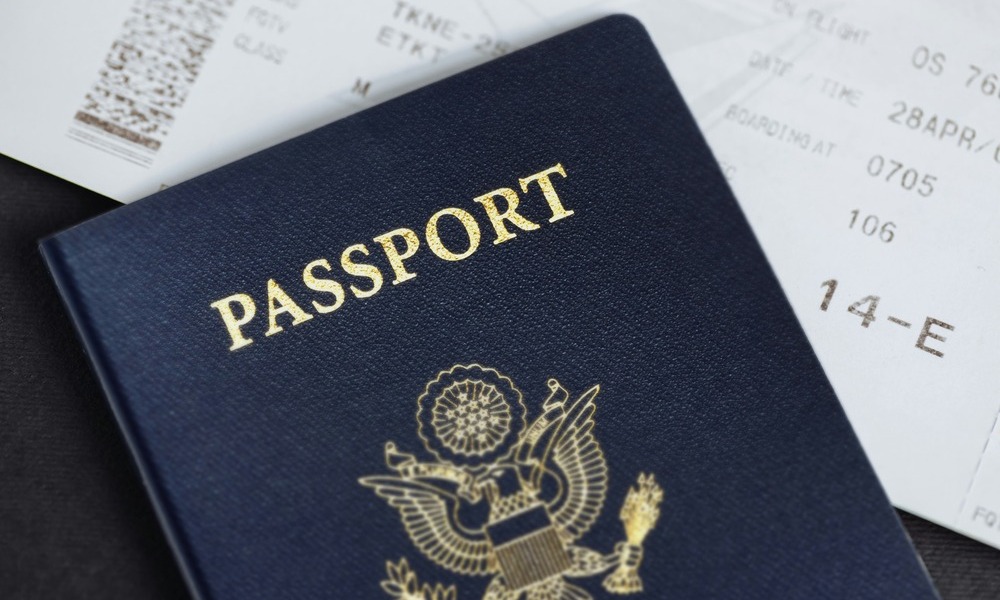
Recent developments in Kenya have cast a shadow over the nation’s business environment. The Kenyan government’s decision to increase fees for immigration services has caused issues across the corporate sector and raising concerns about the country’s economic trajectory.

A Barrier to Corporate Investment
The increase in government fees for immigration services has created a significant barrier for companies looking to invest in Kenya. Businesses often rely on expatriate expertise to drive growth, innovation, and competitiveness.
With the new fee structure, the cost of securing work permits, and other necessary immigration documents has surged, making it more expensive for companies to bring in skilled foreign workers.
This escalation in costs can deter foreign corporations from setting up operations in Kenya, potentially leading to a decline in foreign direct investment. For existing businesses, the increased fees add to operational costs, which can lead to downsizing, reduced expansion plans, or even relocation to more cost-effective regions.
The ripple effect on the economy could be substantial, as decreased corporate investment translates to fewer job opportunities and slower economic growth.
A Negative Impact on the Economy
The negative impact of these increased fees extends beyond the corporate sector. Small and medium-sized enterprises (SMEs), which often operate on tight budgets, are particularly vulnerable.
The additional financial burden can stifle their growth, limit their ability to compete, and reduce their contribution to the economy. Moreover, the services sector, a significant component of Kenya’s GDP, may face disruptions due to the reduced inflow of skilled foreign professionals.
Foreigners leaving due to the higher permit costs is not only a loss for the business but affects local economy due to the fact that they spend substantial amounts of money for rent, house staff, security, and living costs.
Public Outcry and Youth-Led Protests
The government’s move to increase immigration fees comes at a time of widespread public dissatisfaction. The recent riots against the new finance bill are a testament to the growing unrest among Kenyans. Citizens from various walks of life, particularly the youth, have taken to the streets to protest against policies they perceive as detrimental to their future.
These protests have seen a refreshing unity among young people from different tribes and backgrounds, all united by a common goal: to fight for a better future for their country.
This solidarity is a powerful reminder of the potential for positive change when the youth engage in civic action. It also sends a strong message to the government about the importance of considering the voices and concerns of its citizens when making policy decisions.
Conclusion
The increase in government fees for immigration services is a significant concern for Kenya’s business environment and overall economic health. It is imperative for the government to strike a balance between generating revenue and creating a conducive environment for investment.
As the youth continue to advocate for their future, it is hoped that their efforts will lead to more inclusive and thoughtful policymaking that supports sustainable economic growth and development for all Kenyans.
Written by Sylvia Waigango, Senior Immigration Consultant, Kenya
Edited by Simon Carletti, PR and Creative Supervisor