
For several years, Namibia’s offshore oil and gas story was defined almost entirely by discovery. Geological success dominated headlines, and optimism compounded quickly. That phase has now ended.
As of April, and early May 2026, the national conversation has shifted decisively. The question is no longer what lies beneath the seabed, but whether the country can convert promise into production, credibility into capital, and intent into execution.
This shift is structural, not rhetorical. Namibia has entered its most demanding phase.
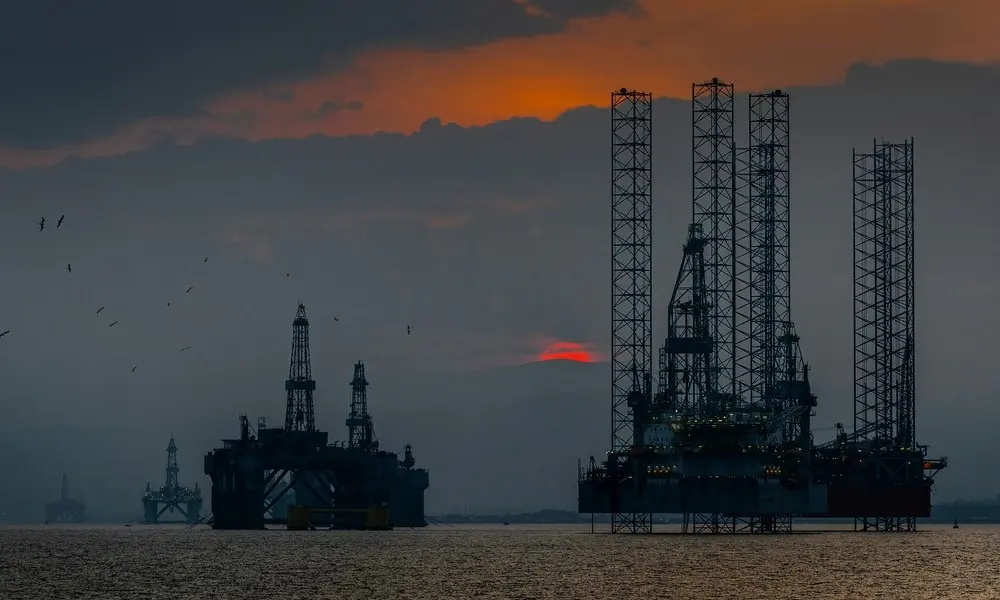
The country now finds itself in a transitional phase. It is no longer merely a frontier exploration play, yet it is not an oil-producing nation. What has emerged is a regulatory and commercial preparation economy, one focused on reducing execution risk before capital exposure escalates. Offshore activity during April 2026 was dominated less by drilling news and more by petroleum law reform, infrastructure coordination, and institutional alignment as projects move toward development decision points.
Senior government officials have acknowledged this reality publicly. The defining challenge is no longer discovery risk. It is execution risk. Legislative certainty, permitting efficiency, fiscal predictability, and administrative capacity have replaced exploration success as the measures of credibility. This acknowledgment matters. It signals that the State understands what investors now require.
Yet realism is essential. Namibia has not reached first oil. It has not secured a multibillion-dollar project finance. Capital inflows remain exploration-weighted and pre-sanction, with balance-sheet funding substituting for full project financing structures. As of May 2026, no offshore development has reached Final Investment Decision. Namibia stands one FID away from unlocking real foreign direct investment.
The most visible progress has been regulatory. In April 2026, advances were made on the Petroleum Exploration and Production Amendment Bill, positioning the legal framework for first oil and long-term sector sustainability. Government messaging across forums has been consistent. Reduce friction before capital intensity increases. The market has responded cautiously but positively. Regulatory risk has declined.
However, reform on paper does not deliver production offshore. Investors now look for evidence of state execution capacity. Licensing timelines must be predictable. Environmental approvals must be administratively competent. Local content frameworks must be workable rather than aspirational. Namibia has moved closer to investment-grade governance behavior, but confidence will be tested only in delivery.
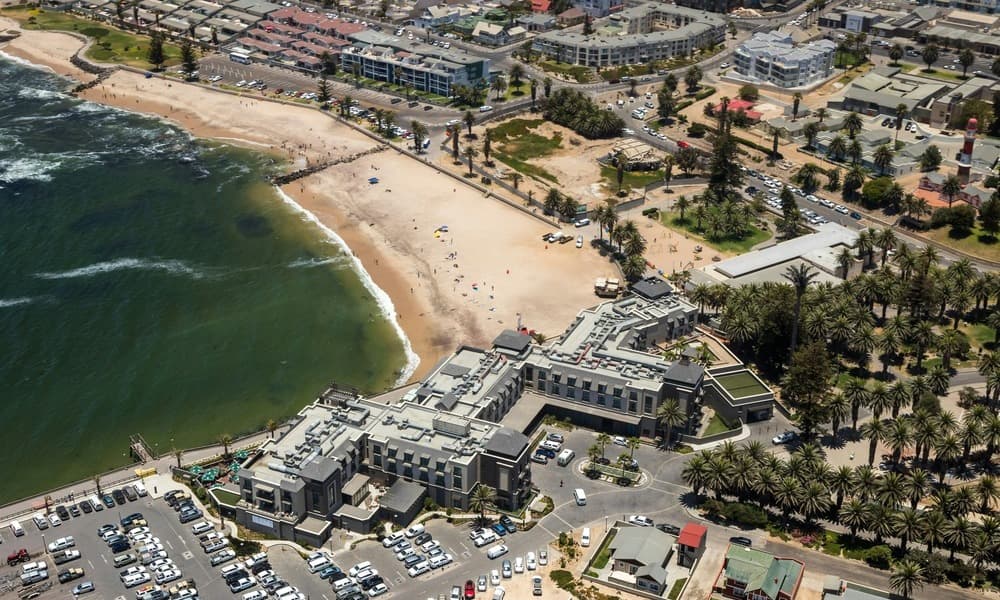
Infrastructure alignment has progressed quietly but strategically. During April 2026, coordination around Walvis Bay and Lüderitz became explicitly linked to offshore petroleum logistics, marine services, and future FPSO support. Port upgrades have been framed around offshore oil requirements rather than generic expansion. This distinction is critical. Many African offshore projects have stalled post-FID due to inadequate logistics readiness.
Infrastructure does not guarantee development success. It does signal understanding. Namibia is demonstrating awareness of the physical realities of offshore production and is planning accordingly.
Capital signals remain mixed. New upstream entrants continue to express interest, but commitment remains conditional. The April 2026 entry into three Walvis Basin blocks with a 60% operating stake was widely interpreted as a vote of confidence in the geological prospectivity. It was also clearly understood by the market as a long-cycle frontier investment. No drilling schedules, appraisal budgets, or FID intent were announced. Entry does not equate to development. As of today, Namibia has secured exploration capital, not sanction-level capital.
The competitive landscape is now clearer and more concentrated. TotalEnergies stands apart. Following its late 2025 transaction with Galp, it holds operatorship of the two flagship prospects, Venus and Mopane. It is the only operator with multiple viable development pathways and the only one preparing FID documentation. This dual asset position provides leverage, optionality, and execution control unmatched by any other participant.
Galp remains economically exposed but no longer controls timelines. Shell presents a more uncertain picture. Despite multiple discoveries, recorded write-downs, and unresolved commercial questions, development credibility remains clouded. The most evidence-based interpretation is option preservation rather than sanction progression. QatarEnergy and NAMCOR hold strategic minority stakes that stabilise partnerships rather than drive projects.
Under conservative and credible timelines, an FID for Venus could occur in 2026. First oil before 2029 would be optimistic. Material government revenues would realistically emerge between 2030 and 2031. Faster outcomes would require near-perfect execution across permitting, financing, engineering, and infrastructure delivery, conditions rarely seen in offshore megaprojects.
Practicing fair and legally grounded immigration processes in the oil and gas sector is not a matter of generosity but of national self-interest. Namibia stands at an execution phase where complex offshore projects demand scarce skills, global experience, and operational discipline that cannot be manufactured overnight. A closed or adversarial posture towards qualified expatriates would not accelerate localisation. It would delay projects, increase execution risk, and weaken investor confidence at precisely the moment credibility matters most.
Well-regulated immigration allows the country to attract engineers, project managers, geoscientists, and compliance specialists who transfer knowledge, mentor local teams, and help build institutions under real-world conditions. The goal is not substitution but succession. When applied fairly and predictably, immigration becomes a development instrument, enabling Namibia to convert natural resource potential into sustainable capacity rather than a stranded opportunity.
What happens next is decisive. At least one FID must be reached. Regulatory reform must translate into operational competence. Infrastructure commitments must deliver on time. Public expectation management must remain disciplined. Overstatement now would erode the credibility carefully rebuilt.
Namibia is closer than ever to becoming a producing oil and gas nation. The path forward is narrow but achievable. Until commercial sanction is secured, Namibia remains not a producer, but a serious and credible contender at the threshold of execution.
Written by Ian Coffee, Branch and Immigration Manager, Namibia