
Morocco Short-Stay Entry

Your Central Source for Information on Short Stay Visas for Morocco

Add as a preferred source on Google

Applying for Short-Stay Entry to Morocco (Tourist, Business Visit, Family Visit)

Morocco allows foreign nationals to enter the country for short stays of up to 90 days for tourism, business visits, and private or family visits. These entries are intended for temporary stays only and do not grant any right to work or reside in Morocco on a long-term basis.

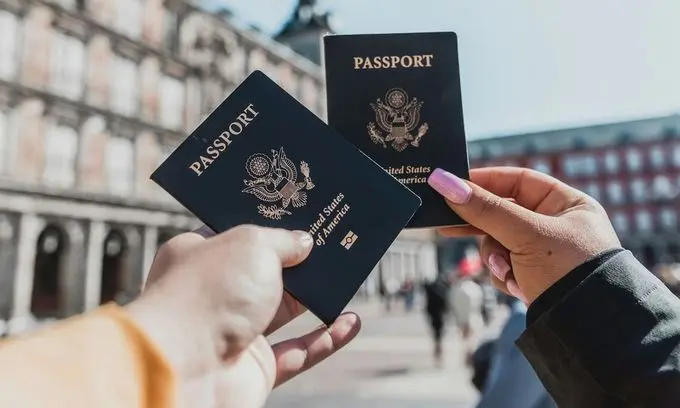
Many foreign nationals are visa exempt and receive a stamp in their passport on arrival at the port of entry. This includes nationals from the European Union, the United States, the United Arab Emirates, Algeria, Congo (Brazzaville), Ivory Coast, Niger, Senegal, and Tunisia. In total, there are approximately 65 visa-exempt countries.

  • Visa-exempt travellers may enter Morocco for up to 90 days without applying for a visa in advance.
  • The passport must be valid for at least six months beyond the planned departure date.
  • Travellers should be able to show a return or onward ticket and evidence of sufficient funds for the stay.
  • Entry may be refused if the traveller appears on a list of persons banned from entering Morocco or cannot justify the purpose of visit.

Foreign nationals who are not visa exempt must apply for a short-stay visa before travelling. Applications are submitted to the Moroccan Embassy or Consulate in the applicant’s country of origin or residence.

  • Applicants must complete the Moroccan entry visa application form reflecting the purpose of stay (tourism, business, or family visit).
  • The passport must be valid for at least six months after the intended departure date from Morocco.
  • Supporting documents typically include hotel bookings, private or corporate invitation letters, and proof of financial means.
  • Non-exempt nationals receive a visa sticker in their passport which is then stamped on arrival.

Permitted activities under short-stay entry include:

  • Tourism and leisure travel.
  • Business visits, such as meetings, conferences, feasibility discussions, or training that does not amount to local employment.
  • Family or private visits supported by an invitation from a Moroccan resident.
  • Attendance at cultural, religious, sporting, or academic events.

Short-stay entry does not permit any form of local employment, paid assignments, intra-company transfers, or work that would ordinarily require a Work Permit. These cases must follow the long-term work authorisation process.

Short-stay entry is valid for up to 90 days. Extensions are limited:

  • Exceptional extensions may be requested from local authorities but are rarely granted.
  • More commonly, travellers exit and re-enter Morocco to obtain a new entry stamp.

Short-stay entry is not a pathway to residence in Morocco. To live, work, or stay longer term, a foreign national must obtain Work Authorisation (via ANAPEC, Simplified, or CFC routes) followed by a Residence Permit application at the police station with jurisdiction over their place of residence.

Last Updated: 24/11/2025
Short-Stay Entry to Morocco Requirements, Forms & Documentation

The documents required for short-stay entry to Morocco depend on whether the traveller is visa exempt or from a country that requires a visa before entry. Documentation must reflect the purpose of stay and be valid at the time of travel. Where documents are in a language other than French, Arabic, or English, certified translations may be requested by Moroccan authorities.

Documents Required for Visa-Exempt Travellers:

  • Valid passport with at least six months remaining validity beyond the planned departure date.
  • Return or onward travel ticket proving departure from Morocco.
  • Proof of accommodation, such as hotel reservation or private invitation.
  • Proof of sufficient funds for the stay (bank statements, cash, card evidence).
  • Travel insurance may be required depending on nationality and entry point.

Documents Required for Non-Exempt (Visa-Required) Travellers:

  • Duly completed and signed Moroccan Entry Visa Application Form.
  • Valid passport with at least six months validity beyond intended departure date.
  • Passport-sized photographs as required by the Moroccan mission.
  • Proof of confirmed travel itinerary, including return or onward ticket.
  • Proof of accommodation, either hotel booking or invitation from a host in Morocco.
  • Proof of financial means to cover the duration of stay.
  • Copy of any previously issued visas, if applicable.
  • Receipt for payment of the consular visa fee.

Additional Documents for Business Visits:

  • Invitation letter from a Moroccan company or organisation, stating purpose, duration, and contact details.
  • Letter from the traveller’s employer confirming position and reason for travel.
  • Details of meetings, conferences, site visits, or training to be attended, including dates and location.

Additional Documents for Family or Private Visits:

  • Private invitation letter from a host in Morocco, including their full name, address, and contact number.
  • Copy of the host’s Moroccan ID or Residence Card.
  • Where applicable, proof of relationship such as birth certificate or marriage certificate.

Moroccan authorities may request additional documents depending on the traveller’s nationality, purpose of entry, or risk profile. All documentation must be accurate, clearly scanned, and up to date to avoid delays or refusal.

Processing Time for Short-Stay Entry to Morocco

The processing time for short-stay entry to Morocco depends on whether the traveller is visa exempt or required to apply for a visa before travel. Visa-exempt travellers receive their entry stamp immediately on arrival, subject to immigration inspection, while visa-required applicants must complete an embassy or consular process in advance.

Visa-Exempt Travellers:

  • Entry is granted at the port of entry following inspection by immigration officials.
  • Processing typically takes a few minutes to under one hour, depending on arrival volume and border control.
  • Immigration authorities may request supporting documents such as proof of accommodation or onward travel.

Visa-Required Travellers (Consular Application):

  • Applications are submitted to the Moroccan Embassy or Consulate in the applicant’s country of residence or nationality.
  • Average processing time ranges from 10 to 20 working days, depending on the embassy, nationality, and purpose of visit.
  • Additional time may be required if background checks, document verification, or interviews are requested.
  • Applicants are advised to apply at least four to six weeks before the intended date of travel.

Business Visits and Private Invitations:

  • Invitation-based applications may require extra document verification, particularly where host identity, organisation registration, or financial support must be validated.
  • These cases may take two to four weeks, depending on the consulate and supporting information.

Applications submitted during peak travel periods or incomplete submissions can lead to further delays. Consular authorities do not offer expedited or premium processing for short-stay visas.

Visitors should wait for official confirmation before making non-refundable travel arrangements.

Costs and Fees for Short-Stay Entry to Morocco

The costs for short-stay entry to Morocco depend on whether the traveller is visa exempt or required to apply for a visa before travel. Visa-exempt travellers do not pay any visa fees but must still meet all entry conditions at the border. Travellers who require a visa must pay consular fees based on nationality, purpose of visit, and whether they request single or multiple entry.

Visa-Exempt Travellers:

  • No government visa fees are payable.
  • Travellers are responsible for their own travel, accommodation, and insurance costs.

Short-Stay Visa (Tourist, Business, Family Visit):

  • Application fees are paid directly to the Moroccan Embassy or Consulate.
  • Fees may vary slightly by nationality and consular jurisdiction.
  • Typical consular visa fee range: USD 20 to USD 50 for a single-entry visa.
  • Multiple-entry visa fees may range from USD 40 to USD 100, where available.

Additional Direct or Indirect Costs:

  • Certified translations, if required (French, Arabic, or English).
  • Courier or postal services, if documents must be mailed to the consulate.
  • Travel or medical insurance, depending on consular requirements.
  • Accommodation documentation (hotel booking or host sponsorship form).

All government visa fees are payable in the currency specified by the Moroccan consulate and usually through cash, bank transfer, or authorised payment channels. Proof of payment must be included with the visa application.

Visa fees are not refundable, even if the application is refused or withdrawn.

How to Apply for Short-Stay Entry to Morocco

The application process for short-stay entry to Morocco depends on the traveller’s nationality. Visa-exempt travellers are not required to submit an application in advance but must still prepare supporting documents for border inspection. Travellers who require a visa must complete a consular application before travelling.

Step 1: Confirm Whether You Are Visa Exempt

Check whether your nationality is among the approximately 65 visa-exempt countries recognised by Morocco. Visa-exempt travellers may enter without applying in advance but must satisfy all entry requirements, including passport validity, proof of travel, accommodation, and financial means.

Step 2: Prepare the Required Documentation

Gather the documents appropriate to your entry type — visa-exempt, tourist visa, business visit, or family visit. Documents typically include a valid passport, accommodation proof, travel itinerary, proof of funds, and, where applicable, an invitation letter from a host, employer, or sponsor.

Step 3: Apply at the Moroccan Embassy or Consulate (Visa-Required Travellers Only)

If you are not visa exempt, submit your application to the Moroccan Embassy or Consulate in your country of residence or nationality. Provide the completed visa application form along with supporting documents and pay the applicable consular visa fee. Some consulates may require submission in person, while others accept postal applications.

Step 4: Await Application Processing and Visa Issuance

Processing times typically range from 10 to 20 working days, depending on nationality, purpose of visit, and consular workload. The consulate may request additional documents or schedule an interview. Once approved, a visa sticker will be placed in your passport.

Step 5: Travel to Morocco and Undergo Border Inspection

Upon arrival, present your passport and supporting documents to immigration officials. Visa-exempt travellers receive a stamp permitting entry for up to 90 days. Visa holders will have the visa validated and stamped. Officials may request proof of accommodation, return ticket, or financial means.

Step 6: Comply with Entry Conditions During Your Stay

Visitors must not work, seek local employment, or remain beyond the authorised period. Extensions are rare and granted only in exceptional cases. Most travellers wishing to stay longer must exit and re-enter when eligible. Short-stay entry does not lead to work or residence rights.

Frequently Asked Questions

We understand that navigating the visa application process can be complex and sometimes overwhelming. This resource is designed to provide clear, concise, and comprehensive answers to the most common questions applicants have about obtaining a Visa or Permit.

No. Short-stay entry does not give any residence rights and cannot be converted into a Residence Permit from within Morocco. Travellers must leave the country and apply from abroad if they wish to live or work in Morocco.

No. Short-stay entry does not allow local employment, paid assignments, or any activity that would normally require a Work Permit.

Extensions are rarely granted and are usually limited to exceptional cases such as medical emergencies. Most travellers must exit and re-enter Morocco to obtain a new short-stay entry.

Disclaimer

At IBN Immigration Solutions, we follow Google’s standards for transparency. As a private immigration firm, we comply with the laws and procedures set out in the Moroccan Labour Code and the regulations governing the entry and stay of foreign nationals. We are not affiliated with the Moroccan Government. Our clients pay for our expertise in managing applications for short-stay entry, work authorisation, residence permits, and family reunification.

Latest Articles - Morocco

Moving to Morocco as a Foreigner: Renting, Buying Property, Living

Moving to Morocco as a Foreigner: Renting, Buying Property, Living

Moving to Morocco explained through property, renting, daily life and real costs based on first-hand experience in Marrakech.

Read More
The Global Race for Specialised Talent in MEA 

The Global Race for Specialised Talent in MEA 

Discover how employers attract specialised talent in MEA while balancing localisation rules and critical skills needs.

Read More
The Evidentiary Reality of Morocco’s ANAPEC Labour Market Test 

The Evidentiary Reality of Morocco’s ANAPEC Labour Market Test 

The Morocco ANAPEC labour market test demands evidence for foreign hiring. See the documentation and compliance essentials.

Read More