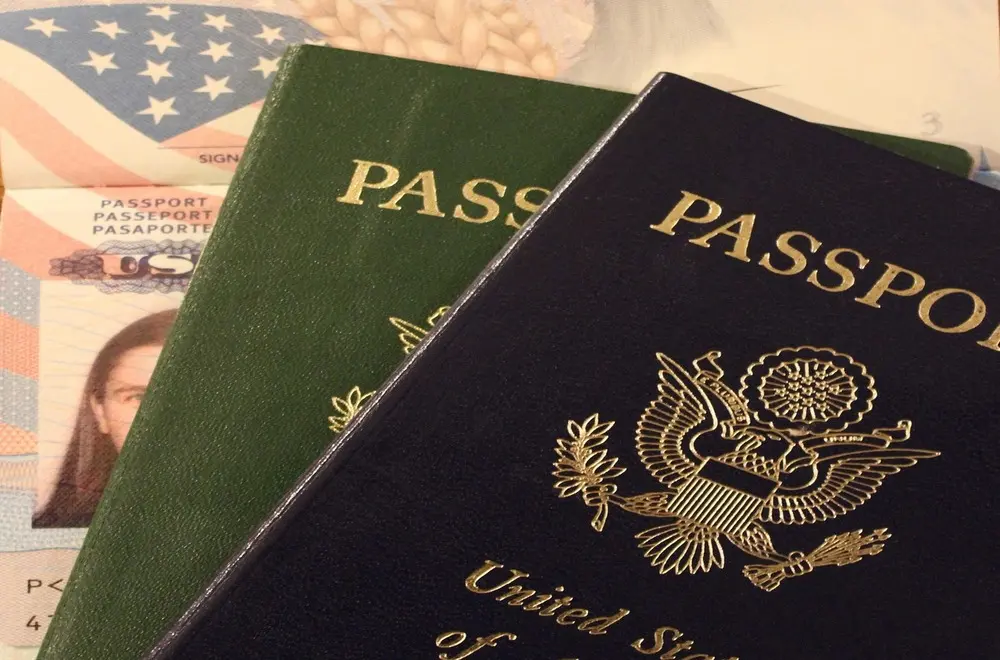
Living abroad as an American, the concept of dual citizenship is likely to have crossed your mind or been a topic of conversation. Making the right decision for your circumstances involves understanding the intricacies of US citizenship and the process of applying for dual citizenship. In this comprehensive guide, we will delve into the details of dual citizenship, exploring eligibility, processes, advantages, and potential drawbacks.

Understanding Dual Citizenship
Dual citizenship, simply put, refers to an individual holding two nationalities simultaneously. It entails possessing passports and enjoying both countries’ rights and responsibilities. The distinct nationality laws of each country shape the dynamics of dual citizenship. Residing in two countries concurrently renders individuals’ double citizens, with the acquisition of dual citizenship necessitating adherence to the laws and regulations of each nation.
Processes of Obtaining Dual Citizenship
Obtaining dual citizenship involves various processes, contingent on the specific regulations of the countries involved. Birthright, naturalization, marriage, and investment are common pathways to dual citizenship. Some countries grant citizenship based on birth within their borders, irrespective of residence status. Naturalisation requires individuals to fulfil residency requirements, with permanent residency often serving as a prerequisite. Marriage to a citizen can expedite the citizenship process in certain nations, while investment programs offer citizenship or residency in return for economic contributions.
American Dual Citizenship: Protocols and Procedures
For Americans contemplating dual citizenship, it is crucial to understand the protocols outlined by the US Citizenship and Immigration Services (USCIS). The United States does allow dual citizenship, provided individuals adhere to specific procedures outlined by the USCIS. Those over 18 seeking dual citizenship must first apply to retain their American nationality.
Maintaining American citizenship while acquiring a foreign one involves obtaining prior permission. Failure to secure permission could result in the automatic loss of American nationality upon acquiring foreign citizenship. Reinstating American citizenship, once lost, is a protracted and cumbersome process.
Can Americans Have Dual Citizenship?
Yes, Americans can have dual citizenship. The United States allows its citizens to hold citizenship in another country concurrently. However, individuals should be aware of the legal implications and requirements of both countries involved.
Benefits of South African Citizenship
Obtaining South African citizenship offers several benefits that can significantly enhance the quality of life and opportunities for Americans living in South Africa. Here are some key advantages:
Visa-Free Travel
South African citizens enjoy visa-free or visa-on-arrival access to numerous countries worldwide. This includes many countries in Africa, South America, and Southeast Asia. For Americans who often require visas for travel, having South African citizenship can simplify international travel arrangements.
Business Opportunities
South Africa is a hub for business and investment in Africa, offering opportunities in sectors such as finance, mining, tourism, and technology. As a citizen, Americans can fully participate in the local economy, own businesses without restrictions faced by foreigners, and benefit from government incentives for local entrepreneurs.
Access to Healthcare
South African citizens have access to the country’s public healthcare system, which provides basic medical services. While the public healthcare system faces challenges, citizens are entitled to essential healthcare services, which can be beneficial compared to relying solely on private healthcare as a foreigner.
Family Reunification
Citizenship enables Americans to sponsor family members for residency or citizenship in South Africa, facilitating family reunification. This is particularly advantageous for those seeking to bring spouses, children, or elderly relatives to live permanently in the country.
Education Benefits
South African citizens are eligible for subsidized education and scholarships offered by the government and private institutions. This includes access to public schools and universities at lower tuition rates compared to international students.
Political Rights and Participation
Citizenship grants Americans the right to vote and participate in South Africa’s democratic processes. This includes voting in national, provincial, and municipal elections, as well as running for public office.
Social Integration
Citizenship fosters deeper integration into South African society, enabling Americans to fully engage in local communities, cultural activities, and social initiatives. It facilitates a sense of belonging and acceptance within the diverse South African population.
Timelines and Costs for Obtaining South African Citizenship
The timeline for acquiring South African citizenship typically ranges from 2 to 5 years on average. This duration encompasses several key stages:
Permanent Residence
Firstly, obtaining South African Permanent Residency is often the initial step. This process alone can take between 1 to 3 years, contingent upon the completeness of your application and the efficiency of processing times. It involves submitting comprehensive documentation and meeting specific criteria set by the South African Department of Home Affairs.
Applying for Citizenship
Once permanent residency is secured, applicants become eligible to apply for South African citizenship after having their Permanent Residence status for 5 years. This subsequent application phase can extend the timeline by an additional 1 to 2 years.
The process includes fulfilling residency requirements, demonstrating integration into South African society, and meeting other citizenship criteria as stipulated by the authorities.
Additionally, individuals seeking to retain their US citizenship concurrently need to navigate the USCIS Form DS-2 processing. While not directly related to South Africa, this step is essential for maintaining dual citizenship status and can also contribute to the overall timeline.
Costs for Acquiring South African Citizenship
According to the South African Department of Home Affairs schedule of fees, these can range from approximately $36 to $127 USD. Additional fees are applicable for citizenship applications, which are processed separately.
Legal fees constitute another significant aspect. Consulting an immigration consultant specializing in South African law can provide invaluable guidance through the complex process. Costs for legal services vary based on the complexity of the case and the experience of the consultant.
Documentary requirements such as translation and authentication of vital documents can also add to expenses. These are essential for ensuring that all paperwork meets South African regulatory standards.
Travel costs may arise if applicants are required to visit South Africa for interviews, biometric data submission, or other procedural requirements associated with their residency or citizenship applications.
Conclusion
In conclusion, navigating the realm of dual citizenship requires a thorough understanding of the legal processes, potential pitfalls, and benefits. As an American seeking dual citizenship, meticulous consideration and compliance with the applicable laws will guide you toward making informed decisions for your unique circumstances.
Written by Andreas Krensel, Managing Director
Edited by Simon Carletti, PR and Creative Supervisor