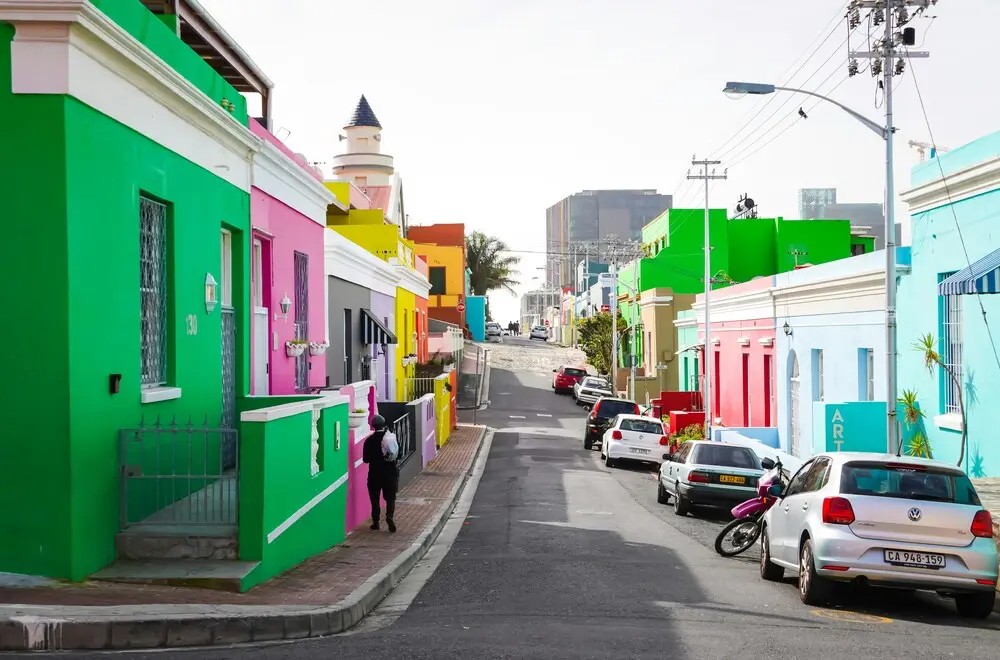
Planning to move to a new country involves careful consideration of the cost of living. If you’re thinking about relocating to South Africa from the United States, it’s important to understand how the cost of living compares between the two countries.
This guide provides a detailed breakdown of household costs in both countries, presented in South African Rands (ZAR) and US Dollars (USD) for easy comparison. The costs mentioned can vary depending on factors like city of residence, lifestyle choices, and type of accommodation chosen.

Housing
Rent
Renting a one-bedroom apartment in a city centre in South Africa is significantly lower than in the United States. In South Africa, expect to pay around ZAR 5,000 to ZAR 10,000 per month (USD 330 to USD 660), while in the US, costs range from USD 800 to USD 2,500 per month.
Utilities
Basic utilities such as electricity, water, and heating are generally cheaper in South Africa, costing between ZAR 1,000 to ZAR 3,000 per month (USD 66 to USD 200) compared to USD 100 to USD 300 in the US.
Food and Groceries
The cost of groceries in South Africa is generally lower. A basic monthly food budget for one person ranges from ZAR 2,000 to ZAR 3,000 (USD 130 to USD 200), while in the US, it ranges from USD 300 to USD 500.
Transportation
Public Transport
Public transportation is more affordable in South Africa. A monthly pass costs around ZAR 500 to ZAR 1,000 (USD 33 to USD 66), compared to USD 50 to USD 100 in the US.
Fuel
Fuel prices in South Africa average ZAR 17 per litre (USD 1.10), while in the US, it ranges from USD 0.70 to USD 1.00 per litre.
Healthcare
Healthcare costs can vary depending on whether you opt for private or public healthcare. Private health insurance in South Africa costs around ZAR 1,000 to ZAR 3,000 per month (USD 66 to USD 200), while in the US, it ranges from USD 300 to USD 1,000 per month. It’s important to note that healthcare costs can vary significantly based on individual needs and chosen insurance plans.
Taxation
The country has a progressive tax system where tax rates increase with higher income brackets. Income tax, VAT (Value-Added Tax), and other local taxes need to be considered. Consulting a tax advisor familiar with South African tax laws is recommended.
Additional Living Expenses
Internet Access
Monthly internet costs in South Africa range from ZAR 500 to ZAR 1,000 (USD 33 to USD 66).
Entertainment
Dining out and leisure activities are generally cheaper in South Africa. A meal at an inexpensive restaurant costs around ZAR 120 (USD 8), compared to USD 15 in the US.
Clothing
Prices for clothing can vary, with local brands being more affordable than international brands.
Cost of Living Index
According to the Economist Intelligence Unit, South Africa’s major cities like Johannesburg, Cape Town, and Durban have a lower cost of living compared to major US cities. For a more detailed comparison, refer to the latest cost of living indices published by reputable sources.
City-Specific Cost Variations
Costs can vary significantly between cities in South Africa. Johannesburg is typically more expensive than Durban but cheaper than Cape Town, which is known for its high property prices and cost of living.
Practical Tips for Saving on Living Expenses in South Africa
Grocery Store Loyalty Programs
Utilize loyalty programs from major grocery stores like Pick n Pay, Checkers, and Woolworths to save on groceries.
Alternative Transportation
Consider cycling or carpooling to save on transportation costs.
Shopping Centres
Compare prices at different shopping centres. For example, Sandton City (Johannesburg) is more upscale and expensive compared to Gateway Theatre of Shopping (Durban).
Entertainment Costs
When comparing the cost of leisure activities and dining out in South Africa to the US, you’ll generally find that South Africa offers more affordable options.
Dining Out
In South Africa, a meal at an inexpensive restaurant typically costs around ZAR 120 (USD 8), whereas in the US, it can cost around USD 15. A three-course meal for two at a mid-range restaurant in South Africa is about ZAR 500 (USD 33), while in the US, it might be around USD 60.
Movies
A cinema ticket in South Africa costs around ZAR 100 (USD 6.60), compared to about USD 12 in the US.
Gym Memberships
A monthly fitness club fee in South Africa ranges from ZAR 300 to ZAR 600 (USD 20 to USD 40), while in the US, it can range from USD 30 to USD 60.
Shopping Centres and Price Differences
In South Africa, shopping centres can vary significantly in terms of the prices and types of stores they host. Here are a few examples:
Sandton City (Johannesburg)
Known for its luxury stores and higher-end retail options, making it one of the more expensive shopping destinations.
Gateway Theatre of Shopping (Durban)
Offers a mix of mid-range and upscale stores, generally more affordable than Sandton City.
Canal Walk (Cape Town)
A large shopping centre with a wide range of retail options, from affordable to high-end, catering to a diverse shopper demographic.
Conclusion
Overall, the cost of living in South Africa is generally lower than in the United States, especially in terms of housing, utilities, and groceries. However, healthcare and transportation costs can vary, and it’s important to consider these factors when planning your move. Additionally, understanding the taxation system, and being mindful of currency fluctuations can help you better manage your finances.
By leveraging practical tips for saving on living expenses and considering the cost variations based on city selection, you can enjoy a comfortable lifestyle in South Africa.
Currency exchange rates can fluctuate, affecting the cost comparisons between South Africa and the US. Always check the current rates for the most accurate information.
Written by Andreas Krensel, Managing Director
Edited by Simon Carletti, PR and Creative Supervisor