Introduction
South Africa is a country of immense natural beauty, diverse culture, and unique opportunities. However, concerns about safety can make prospective expats apprehensive about making the move. While it’s true that South Africa faces significant challenges with crime, many people—both locals and foreigners—live safely and happily within the country by understanding its dynamics and making informed decisions. This article explores safety in South Africa, highlighting key areas to live in, strategies to remain secure, and data-driven insights to provide a balanced perspective.
Understanding the Safety Landscape in South Africa
The safety situation in South Africa is complex and highly nuanced. Crime statistics often make headlines, but they do not necessarily paint a complete picture. Crime rates vary significantly between urban and rural areas, and even within cities, some neighbourhoods are much safer than others. As a foreigner, being aware of these nuances is critical to navigating life in South Africa effectively.
The South African Police Service (SAPS) reported in its 2023/24 statistics that the country has a higher-than-average crime rate compared to global standards. For example, the murder rate stands at 41.2 per 100,000 people, and residential burglaries account for over 70% of property crimes. While these numbers may seem alarming, the reality is that crime tends to be concentrated in certain high-risk areas. By avoiding these areas and following recommended safety measures, it’s possible to reduce risks significantly.
Choosing the Right Place to Live
One of the most important decisions you will make when moving to South Africa is selecting a place to live. The country offers a wide variety of options, ranging from bustling urban hubs to serene coastal towns, but safety should always be a top consideration.
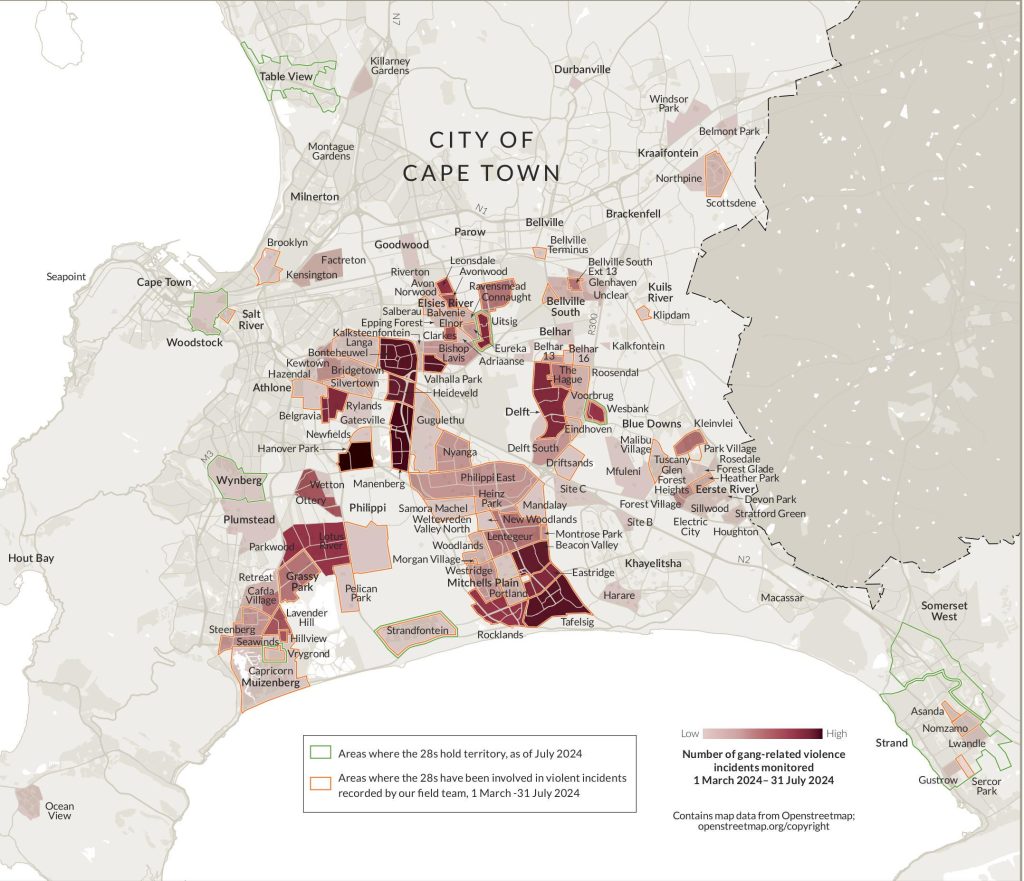
Cape Town, for instance, is a popular choice for expatriates, thanks to its vibrant cultural scene, breathtaking scenery, and relatively safe neighbourhoods. Areas such as Constantia, Camps Bay, and the City Bowl are well-known for their security features, including gated communities and private security patrols.
Johannesburg, often called the economic hub of South Africa, has both challenges and opportunities. Suburbs like Sandton, Fourways, and Rosebank are preferred by expatriates for their safety and accessibility to amenities such as schools, malls, and offices. Meanwhile, Durban, with its coastal charm, offers secure residential areas like Umhlanga Rocks and Ballito, ideal for families.
Living in these neighbourhoods often comes with the added benefit of community engagement. Many areas have active residents’ associations and community watch programs that enhance security and foster a sense of belonging.
Crime Trends: A Data-Driven Perspective
To better understand the safety landscape, it’s essential to examine crime trends. Data from SAPS reveals that violent crimes, such as armed robbery and car hijackings, tend to be more prevalent in urban areas. Provinces like Gauteng and KwaZulu-Natal report higher incidents of violent crimes compared to the Western Cape.
Property crime, on the other hand, is more evenly distributed and often affects suburban areas. Over 60% of property crimes reported annually are residential burglaries, highlighting the importance of securing one’s home. Installing robust security measures such as alarm systems, electric fences, and surveillance cameras is a common practice among South African homeowners.
Interestingly, crime rates in South Africa have shown some improvement in recent years, with increased police visibility and community-driven safety initiatives contributing to localized successes. However, much work remains to be done to address underlying socioeconomic factors that drive crime.
Practical Tips for Staying Safe
Safety in South Africa largely depends on personal awareness and the ability to adapt to the local environment. Simple lifestyle adjustments can make a significant difference. One of the cardinal rules for staying safe is avoiding any overt display of wealth. Wearing expensive jewellery, carrying high-end gadgets, or driving luxury cars can attract unwanted attention.
Another key aspect is securing your home. Whether renting or buying, opt for properties in neighbourhoods with robust security measures. Many South Africans live in gated communities or apartment complexes with controlled access, private security guards, and alarm systems linked to rapid response teams.
Transportation also plays an important role in safety. While public transport options like minibus taxis are popular among locals, they may not be the safest option for foreigners unfamiliar with the system. Instead, consider using ride-hailing services like Uber or Bolt, which are widely available in major cities.
When exploring new areas, especially in urban centres, it’s best to do so during the day and in the company of others. Avoid walking alone at night, particularly in poorly lit or unfamiliar locations.
The Role of Community and Private Security
One of the unique aspects of safety in South Africa is the role of community and private security services. South Africa has one of the largest private security industries in the world, with companies offering tailored solutions to residents and businesses. Private security guards are a common sight in residential neighbourhoods, shopping malls, and office complexes.
Can South Africa Be Considered Safe?
The question of whether South Africa is safe depends largely on perspective and preparation. While crime statistics may paint a challenging picture, the reality for many residents—both local and foreign—is far more nuanced. By choosing the right neighbourhood, adopting a cautious lifestyle, and engaging with the community, it is entirely possible to live safely in South Africa.
Statistics show that areas with higher socioeconomic development and robust community engagement tend to report lower crime rates. Expatriates who take the time to understand local customs, build relationships with their neighbours, and stay informed about safety measures often find South Africa to be not only safe but also deeply rewarding.
Conclusion
South Africa offers a unique blend of challenges and opportunities. While safety concerns should not be ignored, they should also not overshadow the country’s many positives. From breathtaking landscapes to warm, welcoming communities, South Africa has much to offer those willing to embrace its complexities.
With careful planning and an informed approach, you can enjoy a secure and enriching life in South Africa. Whether you’re drawn by career opportunities, the natural beauty, or the vibrant culture, South Africa is a destination worth considering. Safety, like so many aspects of life, depends on knowledge, awareness, and preparation.
Written by Simon Carletti, PR and Creative Supervisor