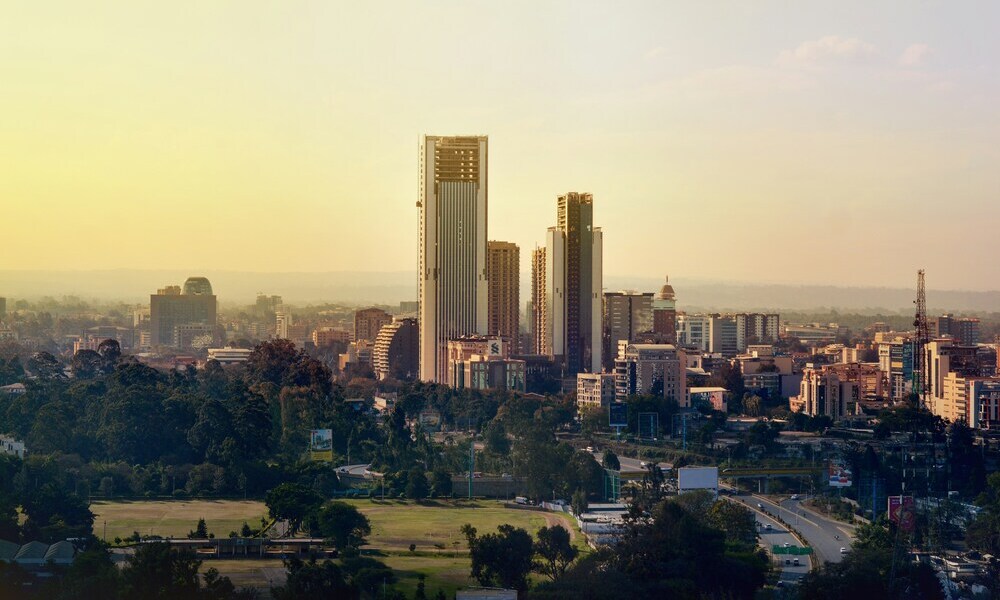
Kenya is widely known for its iconic safari experiences and remarkable wildlife. However, for digital nomads, long-term tourists and expatriates, Kenya offers much more: vibrant urban life, a supportive expat community, pleasant coastal living and a variety of outdoor and social activities.
In this article, we will explore Kenya not just as a safari destination, but also as a lifestyle choice, highlighting its natural beauty, infrastructure, climate, activities, social life and practical considerations for living and working here in the long term.

Nature: Safaris, Mountains, Forests and the Coast
Kenya’s natural diversity is extraordinary. From wildlife-filled savannahs to lush highlands and pristine beaches, the country is the playground for those who love the outdoors.
Safaris and Wildlife
Kenya’s national parks, reserves and private conservancies each offer unique encounters with Africa’s wildlife. The Maasai Mara is renowned for the Great Migration, while Amboseli pairs herds of elephants with breathtaking views of Mount Kilimanjaro. Tsavo East and West are ideal for those seeking expansive wilderness and off-the-beaten-track safari adventures. In Laikipia, private conservancies offer exclusive and sustainable ways to enjoy nature.
Mountains and Forests
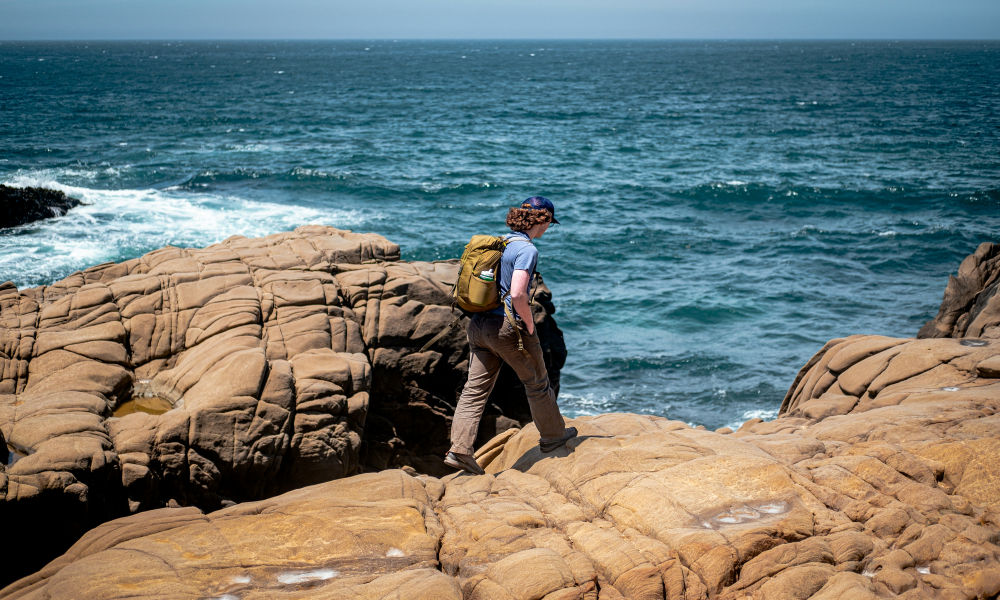
The Aberdare Mountain range with its mist-covered forests, waterfalls and wildlife such as bongo antelopes and elusive leopards, is ideal for hiking, birdwatching and peaceful retreats. Mount Kenya, Africa’s second-highest peak, attracts trekkers and climbers with routes suitable for various levels, from challenging summits to shorter scenic trails. Karura Forest in Nairobi offers cycling and walking paths and a break from busy urban life, while the Ngong Hills reward hikers with sweeping views of Nairobi and the Rift Valley.
The Coast
Kenya’s coastline stretches from Lamu in the north, to Msambweni in the south, including touristic spots such as Mombasa, Malindi, Diani beach and Watamu, and offers powder-white beaches, coral reefs, and a relaxed lifestyle. Water sports are a big draw, from kite surfing and sailing to snorkeling and scuba diving.
Infrastructure: Roads, Transport, Healthcare, and Connectivity
Kenya’s infrastructure makes long-term living feasible and comfortable.
Transport and Connectivity
Public transport, including matatus (minibuses) and boda bodas (motorbike taxis), is cheap, but it is not recommended for newcomers due to safety concerns. Owning a car is almost essential for ease of mobility. For shorter trips, ride-hailing services like Uber and Bolt operate reliably in Nairobi and Mombasa, while tuk-tuks are a popular, affordable option along the coast. The country also has a well-connected domestic flight network linking Nairobi, Mombasa, Kisumu and other major towns. The Standard Gauge Railway connects Nairobi to Mombasa efficiently, providing a scenic and comfortable travel alternative.
Healthcare and Services
Modern healthcare facilities, international schools and reliable utilities are concentrated in Nairobi, Mombasa, Kisumu and select coastal towns. Many expats choose gated communities with access to private hospitals or clinics. Kenya’s internet infrastructure is among Africa’s best, boasting widespread fibre connectivity and coworking spaces that support remote work and digital nomad lifestyles. Mobile money systems, such as M-Pesa, make transactions seamless for both residents and visitors.
Climate
Kenya enjoys a generally temperate climate, which supports year-round outdoor activities. Nairobi and the highlands remain mild, while coastal areas enjoy warm, tropical weather. This diverse climate allows for flexible lifestyles, whether you prefer hiking in cooler highlands, enjoying beach life by the Indian Ocean, or combining work with outdoor sports and leisure.
Activities and Lifestyle
Life in Kenya is vibrant, social, and diverse.
Sports and Recreation
Outdoor sports are a central part of the lifestyle. Golf courses are plentiful, and horse riding is popular in Naivasha and Nanyuki. Cricket and padel are gaining popularity, while sailing is well established through clubs like the Naivasha Yacht Club. Hiking, mountain biking and yoga are common, supported by active clubs such as the Mountain Club of Kenya. Rally enthusiasts also have plenty to enjoy. Kenya remains a highlight on the international rally calendar.
Cultural and Social Life
Kenya’s social scene is lively and inclusive. International residents and locals connect through sports clubs, yoga studios, birdwatching groups, and cultural associations. Nairobi and Mombasa boast vibrant culinary scenes, with restaurants serving a diverse range of cuisines, including Ethiopian, Indian, Italian, and Japanese. Weekly markets, food festivals, and craft fairs showcase both local flavours and international influences, offering a diverse culinary experience.
The arts are equally dynamic. Galleries, theatres, and live music venues showcase contemporary creativity, while museums within the National Museums of Kenya network explore archaeology, anthropology, and Kenya’s pivotal role as the “cradle of humanity.” Festivals such as the Lamu Cultural Festival, Nairobi Restaurant Week, and the Safaricom Jazz Festival keep calendars full of cultural highlights.
Work, Residency and Practical Consideration
Visas and Permits
Foreigners entering Kenya now require an Electronic Travel Authorisation (eTA), rather than a traditional tourist visa. The eTA is renewable for up to six months per calendar year, making it a practical option for extended stays.
For long-term stays, Kenya’s work permit offers several permits:
- Class D Permit (Employment Permit): For individuals employed by a specific company in Kenya, this permit is typically valid for two years and renewable. Employers sponsor and guide applicants through this process.
- Class N Permit (Nomad Permit): Designed for remote workers, allowing them to live in Kenya while working for foreign employers.
- Class K Permit (Retirement Permit): A retirement permit for individuals over 35 years old with an assured income from abroad. It allows residence but does not grant the right to work in Kenya.
Cost of Living and Practical Steps
Kenya’s cost of living varies by location. Coastal towns and Nairobi tend to be more expensive, with rent for a one-bedroom apartment starting around USD 500 per month in a secure area. Dining, transportation and utilities remain reasonably priced compared to those in Western cities.
Good preparation is essential: securing a car, opening a local bank account, converting a driver’s license, choosing reputable schools, and connecting with trustworthy local experts can prevent pitfalls. Kenya has, unfortunately, seen an increase in fraud cases targeting newcomers. Therefore, working with reliable local partners, such as IBN Immigration Solutions, which has a network of contacts, can simplify everything from immigration to accommodation and schooling and pet relocation.
Conclusion
Kenya is far more than a safari destination. Its well-established expat communities, diverse natural landscapes, modern infrastructure, rich cultural life and wide range of activities from hiking in the Aberdares to sailing in Naivasha or diving along the coast make it a rewarding destination for long-term living. Practical planning and support are crucial to a smooth transition, covering everything from visas and work permits to daily logistics and connecting with local communities. Whether you are a digital nomad, retiree, or expatriate seeking adventure, Kenya offers a unique lifestyle that balances work, leisure, and cultural immersion beyond the classic safari experience.
Written by Tatjana Singh, Branch & Immigration Manager, Kenya